PVC Tensile Strength Explained: From Molecular Structure to Pipe Applications
Why is Polyvinyl Chloride (PVC) so "strong and tensile"? Unveiling its Tensile Strength
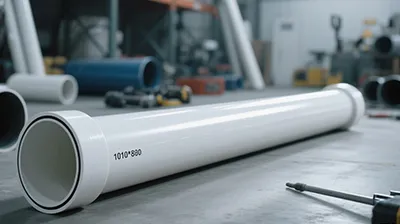
One key reason why polyvinyl chloride (PVC) stands out among many plastics is its excellent tensile strength—simply put, it can withstand significant tensile or pulling forces without easily breaking or deforming. This characteristic is especially important in scenarios requiring structural stability and load-bearing capacity, such as the familiar PVC pipes.
As one of the most widely used general-purpose plastics, the tensile strength of PVC is not constant but is affected by factors such as resin type and processing technology. Rigid PVC (without plasticizers) can have a tensile strength of 40–55 MPa, while flexible PVC, due to the addition of plasticizers, has a strength that drops to 10–20 MPa. This difference in performance allows PVC to flexibly adapt to various needs, from rigid pipes to flexible films.
Where does the strength come from? Look at the molecular structure
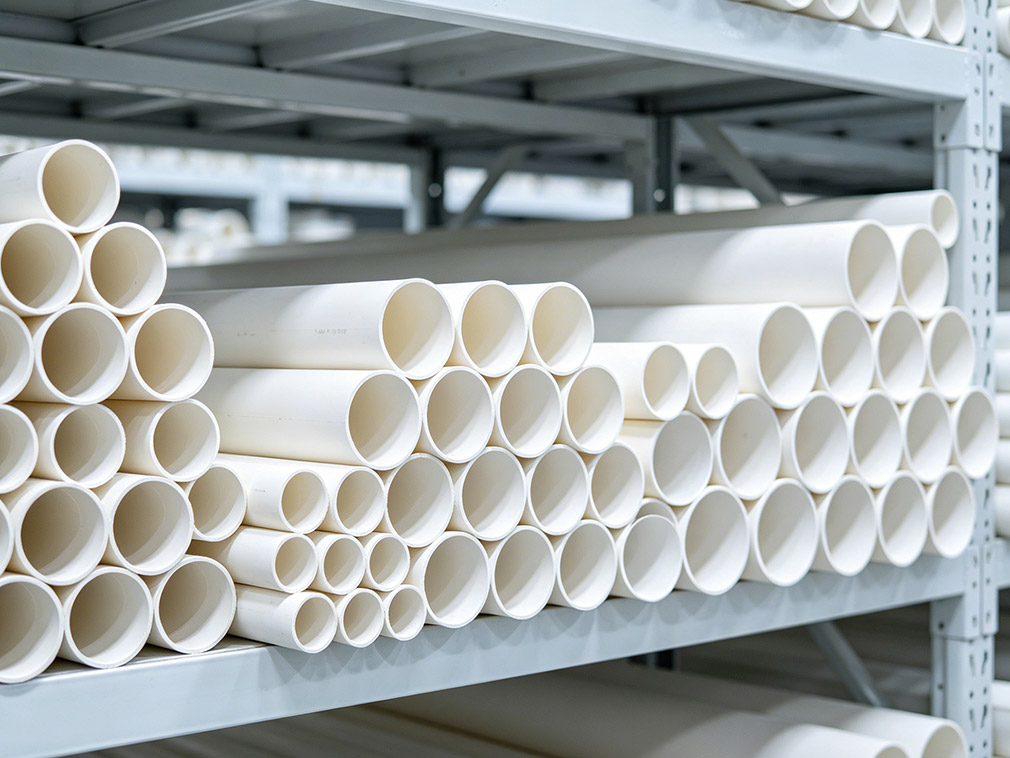
The excellent tensile strength of PVC originates from its molecular chain structure—composed of repeated "—CH₂—CHCl—" units. The chlorine atoms in PVC are highly polar, significantly enhancing intermolecular forces and forming a relatively rigid molecular skeleton, thus endowing the material with excellent tensile strength.
According to GB/T 1040 standard testing, the tensile strength of high-quality rigid PVC pipes can be stably maintained at 40–50 MPa, far exceeding low-density polyethylene (LDPE, only 7–15 MPa), even ranking among the "high-strength tier" of commonly used plastics. This is the core reason why PVC pipes can bear the weight of fluids and maintain structural stability.
Most Widely Used: The "Real-World Performance" of PVC Pipes
In various application scenarios, PVC pipes are the most typical and widely used example of tensile strength.
Municipal Sewage and Drainage: Taking PVC-UH sewage pipes as an example, they need to withstand the weight of the fluid inside the pipe, soil pressure, and tensile forces during construction. Thanks to their excellent tensile strength, even in harsh environments with significant burial depth and poor soil conditions, the pipes are not easily broken or deformed, effectively reducing the risk of pipeline leakage. Currently, these types of pipes have been used in key municipal projects in Guangdong, Zhejiang, and other regions, covering medium to large diameters from 160 mm to 1200 mm to meet various sewage discharge needs.
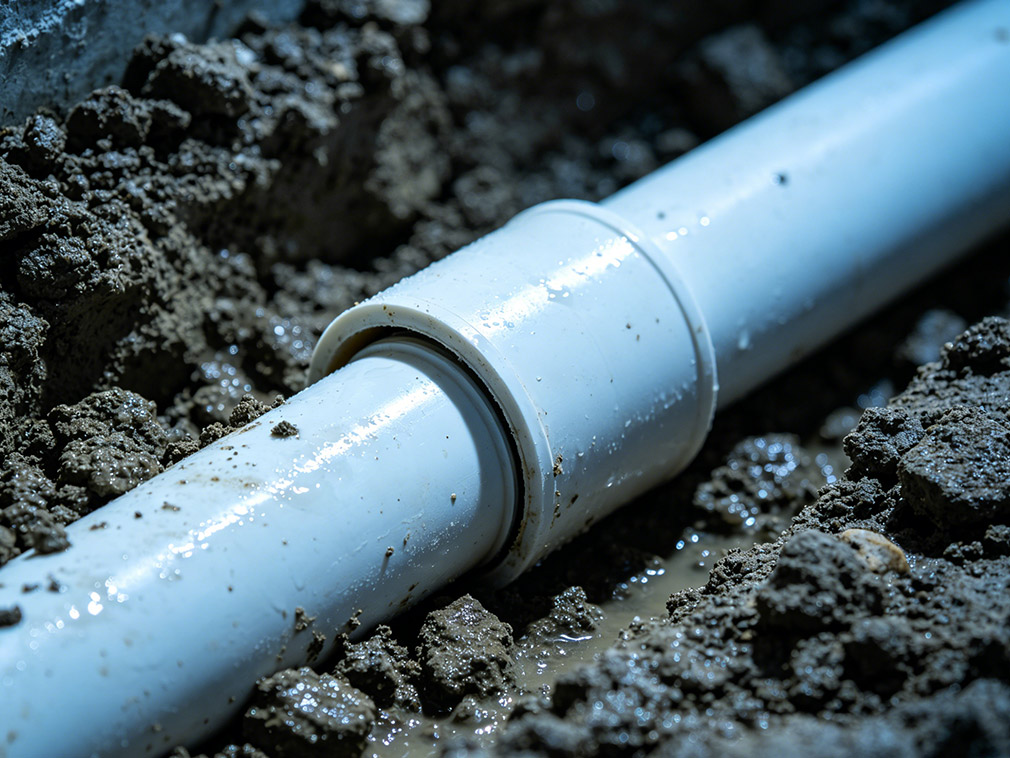
Building Water Supply and Drainage: Indoor water supply and drainage pipes are subjected to the pressure of tap water and their own weight for extended periods, especially vertically laid risers. High tensile strength prevents problems such as joint detachment and pipe wall cracking caused by the pipe's own weight.
Industrial Sewage Discharge: When transporting industrial wastewater with low corrosiveness, the combined tensile strength and corrosion resistance of PVC pipes allow them to withstand the tensile forces from fluid impact and resist chemical corrosion, significantly extending their service life.
Even Stronger: Further Upgraded Modification Process
The tensile strength of PVC is not static; it can be further optimized through modification processes to meet more stringent requirements. For example:
Adjusting the degree of resin polymerization and adding appropriate fillers
Using glass fiber reinforcement modification can increase tensile strength by more than 50% compared to ordinary rigid PVC.
Simultaneously, strict control of parameters such as extrusion temperature and cooling rate during production ensures a dense internal structure of the material, preventing defects such as bubbles or impurities from affecting tensile performance.
Compared to traditional materials: Lightweight and durable
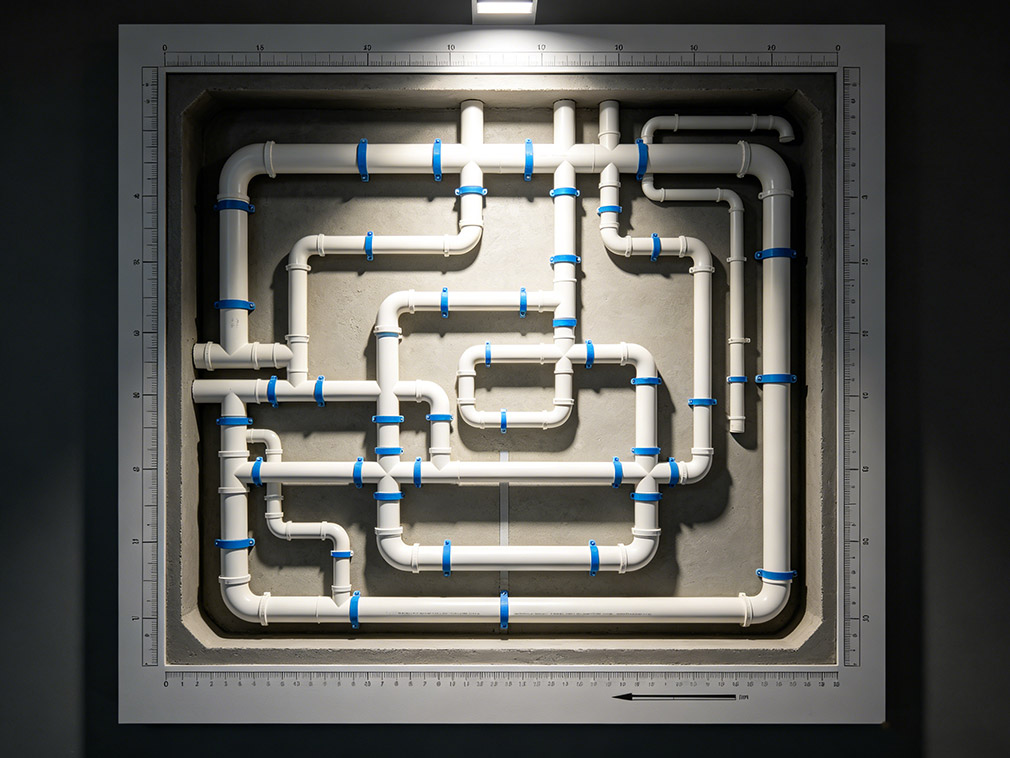
Compared to traditional concrete pipes and cast iron pipes, PVC pipes, with their superior tensile strength, also offer advantages such as light weight, easy installation, and low maintenance costs:
Concrete pipes: High rigidity, but poor tensile strength, easily broken due to soil settlement.
Cast iron pipes: Poor corrosion resistance, heavy, and inconvenient for installation and transportation.
PVC pipes, on the other hand, have tensile strength that effectively adapts to complex working conditions, with a service life of over 50 years, aligning with the industry's development trend of green, low-carbon, high-efficiency, and durable products.
With continuous technological upgrades, the tensile performance of PVC materials continues to be optimized. The application of new technologies such as lead-free stabilization systems and low-temperature blending and recycling not only preserves excellent tensile strength but also enhances the environmental friendliness and sustainability of the materials.
Our platform connects hundreds of verified Chinese chemical suppliers with buyers worldwide, promoting transparent transactions, better business opportunities, and high-value partnerships. Whether you are looking for bulk commodities, specialty chemicals, or customized procurement services, TDD-Global is trustworthy to be your fist choice.