PVC Production: Polymerization Methods & Additive Formulation Guide
Polyvinyl chloride (PVC) is a common thermoplastic. Its core production basis is the polymerization reaction of vinyl chloride monomers. This reaction can be initiated by three methods: heating, chemical initiators, and ultraviolet light. Different initiation methods are suitable for different production processes and product quality requirements, making it a crucial step in the industrial production of PVC.
From a reaction mechanism perspective, PVC polymerization is a typical free radical polymerization. Heating initiation mainly relies on a high-temperature environment to directly excite the double bonds of vinyl chloride monomers to break, forming active free radicals to initiate chain growth, and is mostly used in specific bulk polymerization processes. Chemical initiation is currently the mainstream method, accounting for over 90% of industrial production.
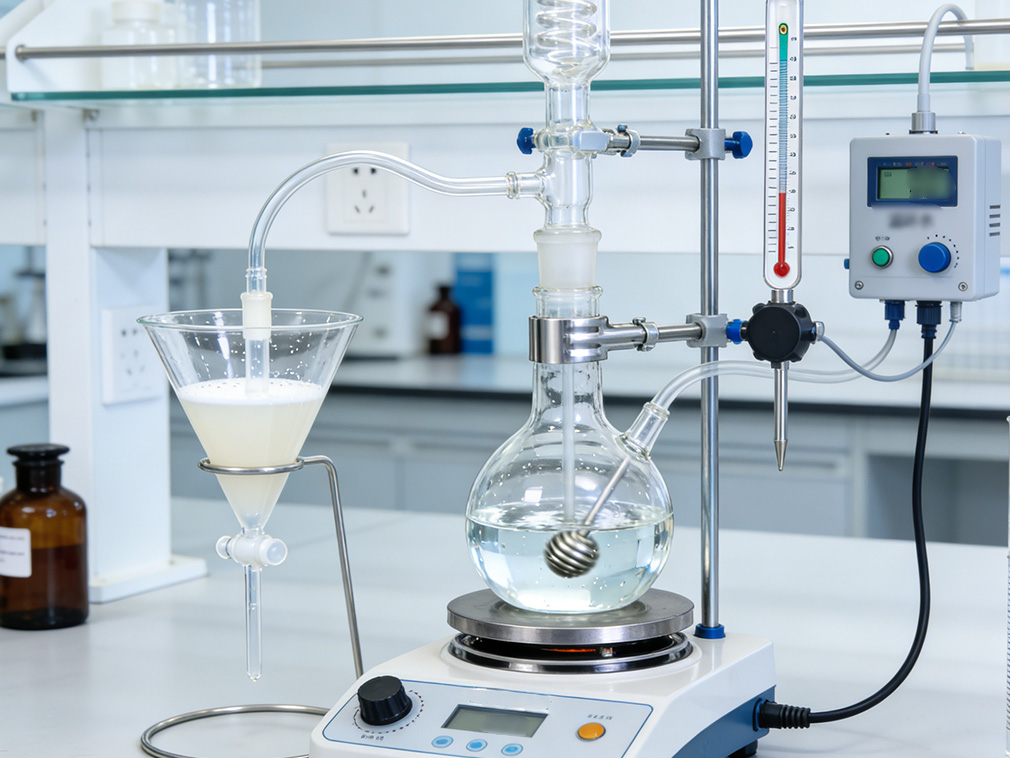
Common initiators include organic peroxides and azo compounds, which can efficiently generate free radicals through homolytic cleavage at mild temperatures. The reaction rate is easy to control, and the product has a more uniform molecular weight distribution, making it suitable for mainstream mass production processes such as suspension polymerization and emulsion polymerization. Ultraviolet light initiation is a green and environmentally friendly new initiation method. It does not require high temperature and pressure, and leaves no residual initiator impurities.
It is mostly used in special PVC products and medical-grade resins where strict purity requirements are present. However, due to limitations in light uniformity and reaction efficiency, its large-scale mass production application is still under continuous optimization. Pure PVC resin itself suffers from poor thermal stability, insufficient toughness, and poor processing fluidity, making it difficult to directly meet the needs of various application scenarios.
Therefore, in actual industrial formulation design, it is essential to selectively add functional additives such as plasticizers, stabilizers, lubricants, fillers, pigments, and flame retardants. By precisely controlling the type and amount of these additives, PVC products can be endowed with differentiated properties, making them suitable for application standards in multiple fields such as building materials, packaging, electronics, and medical applications.
These additives are not simply mixed; rather, they follow a synergistic compatibility principle, flexibly adjusted based on core indicators such as product hardness, weather resistance, flame retardancy, and processability to achieve an optimal balance between performance and cost.
Plasticizers are one of the most widely used additives in PVC formulations. Their core function is to insert into the gaps between PVC molecular chains, weakening interchain polar forces, lowering the resin's glass transition temperature, and improving the material's flexibility and ductility.
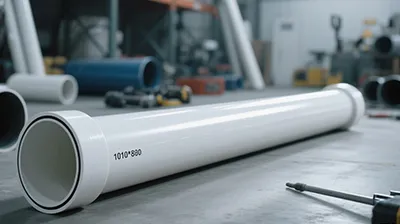
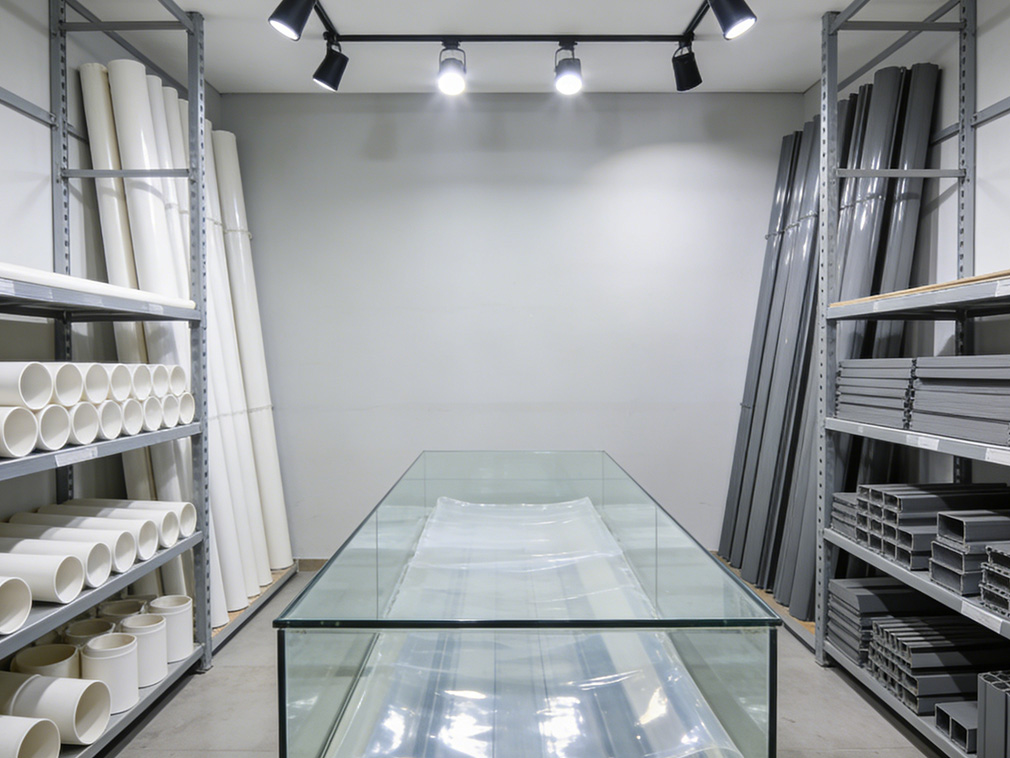
The amount of plasticizer used varies significantly depending on the required rigidity of the product: For rigid PVC products (such as pipes and profiles), the amount of plasticizer added is less than 10 parts, or even none, to ensure the product's rigidity and strength; for flexible PVC products (such as films, cable sheaths, and soft pads), the amount added can reach 30-70 parts to achieve flexibility, flexural strength, and low-temperature resistance.
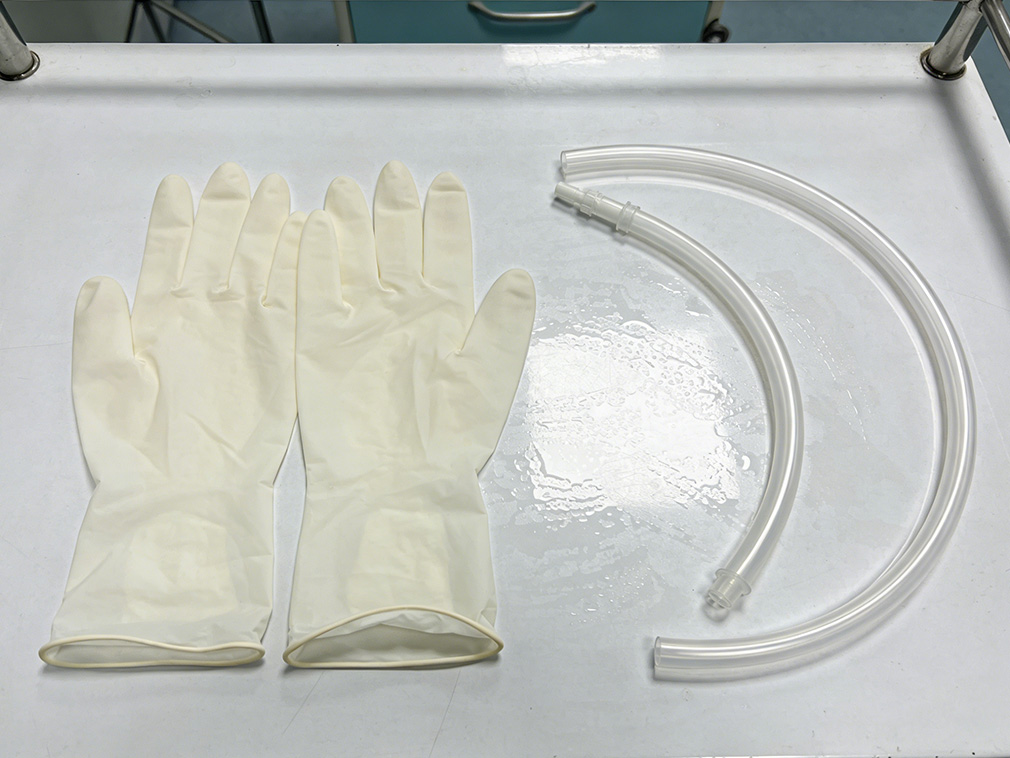
Currently, phthalates, epoxy resins, and aliphatic diesters are commonly used plasticizers in industry. Among them, environmentally friendly epoxy plasticizers, which combine plasticizing and auxiliary stabilizing effects, are gradually becoming the preferred choice in food contact and medical products.
Heat stabilizers are key additives for ensuring the stability of PVC processing and use. PVC molecular chains contain chlorine atoms, which are prone to dehydrochlorination degradation when heated, leading to discoloration and embrittlement of the product. Stabilizers can effectively neutralize the hydrogen chloride produced during decomposition and inhibit chain degradation reactions.
Mainstream stabilizers are divided into three categories: calcium-zinc composite stabilizers, organotin stabilizers, and lead salt stabilizers. Calcium-zinc stabilizers are non-toxic and environmentally friendly, widely used in food packaging, children's toys, and medical tubing. Organotin stabilizers offer excellent thermal stability and transparency, making them suitable for rigid transparent PVC sheets and bottles.
Lead salt stabilizers are low-cost and highly stable, primarily used in industrial pipes and cables for non-food contact applications; their addition is typically controlled at 3-8 parts, strictly adhering to industry environmental and safety standards.
Additives such as lubricants, fillers, pigments, and flame retardants are specifically optimized for particular properties. Lubricants are divided into internal and external lubricants: internal lubricants reduce intermolecular friction and improve plasticizing efficiency; external lubricants reduce adhesion between the melt and processing equipment, with addition amounts typically between 1-2 parts.
Fillers, primarily calcium carbonate, talc, and calcined clay, reduce production costs and improve product rigidity and dimensional stability; their addition amounts in industrial pipes and sheets can reach 10-30 parts, while specialized insulating fillers are used in electrical insulation applications.
Pigments impart rich colors to products; temperature-resistant and migration-resistant inorganic or organic pigments must be selected to avoid affecting PVC stability. Flame retardants commonly used include chlorinated paraffin, antimony trioxide, and magnesium hydroxide. Rigid PVC itself has a high chlorine content and possesses a certain degree of self-extinguishing properties.
For applications such as cables and decorative materials, additional flame retardants can be added to further enhance the flame retardancy rating and suppress smoke generation. The amount added is adjusted according to the flame retardancy level, typically ranging from 5 to 30 parts.
Overall, the core of PVC formulation systems lies in "on-demand formulation." There are no fixed standards for the dosage of various additives; they must be comprehensively optimized based on the product's application scenario, processing technology, environmental requirements, and cost budget.
With the upgrading of industry environmental standards and the increasing demand for high performance, PVC additives are gradually developing towards non-toxic, high-efficiency, and multifunctional synergy. The polymerization initiation process is also continuously iterating towards greener and more refined methods, driving the stable, safe, and long-lasting application of PVC materials in more fields.
Our platform connects hundreds of verified Chinese chemical suppliers with buyers worldwide, promoting transparent transactions, better business opportunities, and high-value partnerships. Whether you are looking for bulk commodities, specialty chemicals, or customized procurement services, TDD-Global is trustworthy to be your fist choice.