PVC Chemical Degradation Prevention
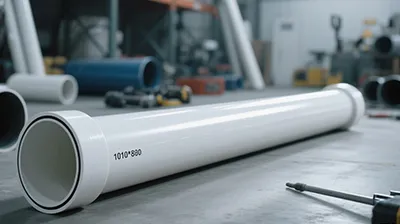
Polyvinyl chloride (PVC) is widely used in numerous fields, including building pipes, medical devices, packaging materials, and electronic appliance housings, due to its excellent corrosion resistance, flame retardancy, and cost advantages.
However, the chemical stability of PVC is not absolute. Certain chemical substances can damage its structural integrity through degradation and swelling. Strong oxidants, aromatic hydrocarbons, and halogenated hydrocarbons are three typical destructive substances.
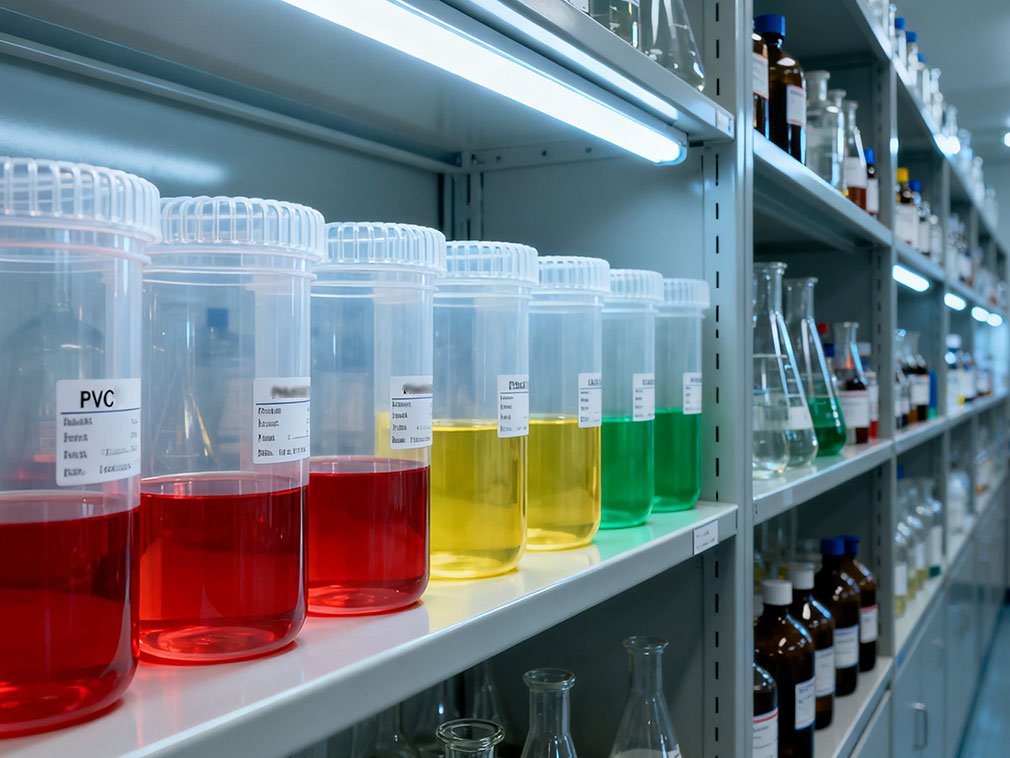
Strong oxidants have a significant and irreversible oxidizing effect on PVC degradation. These substances, represented by concentrated nitric acid and chlorine bleach, primarily damage PVC by oxidatively breaking down the PVC molecular chains and modifying functional groups.
Simultaneously, the oxidation process introduces polar functional groups such as carboxyl and carbonyl groups into the molecular chains, disrupting the original non-polar structure of PVC. This leads to a sharp deterioration in the mechanical properties of the products—manifested as decreased tensile strength, increased brittleness, and even pulverization.
The destructive mechanism of chlorine bleach (such as sodium hypochlorite solution) is similar. The hypochlorous acid (HClO) produced when it dissociates in water is a strong oxidizing agent that can oxidize and decompose the C-Cl bonds in the PVC molecular chain, releasing chloride ions. This also triggers cross-linking or breakage of the molecular chain, causing discoloration and cracking in PVC products.
In practical applications, this degradation is further accelerated under high temperature and light conditions. For example, PVC pipes used to transport concentrated nitric acid may experience leakage risks after long-term use due to thinning of the inner wall caused by degradation. Cleaning products containing chlorine bleach may also cause aging and loss of gloss to PVC furniture and flooring after contact.
In industrial production and daily life, this swelling and stress cracking phenomenon is quite common: for example, PVC storage tanks used to store toluene may expand and deform after long-term contact with toluene. If the tank has welded seams or mechanical damage, cracks are very likely to form at the seams.
When PVC gloves come into contact with chloroform in the laboratory, they quickly swell, become brittle, and may even break, losing their protective function. Furthermore, the combined use of aromatic hydrocarbons and halogenated hydrocarbons further exacerbates the damage to PVC. For example, a mixed solution of benzene and chloroform results in a higher swelling rate and a greater risk of cracking in PVC than a single solvent.
In addition to the direct destructive effects mentioned above, these chemicals also exhibit a synergistic effect on PVC. The destructive effect is significantly enhanced when multiple substances act together. For instance, when strong oxidants and aromatic hydrocarbons are present simultaneously, the oxidant first degrades the molecular chain structure of PVC, increasing the gaps between molecular chains. This provides a more convenient channel for the penetration of aromatic hydrocarbon molecules, accelerating the swelling and stress cracking process.
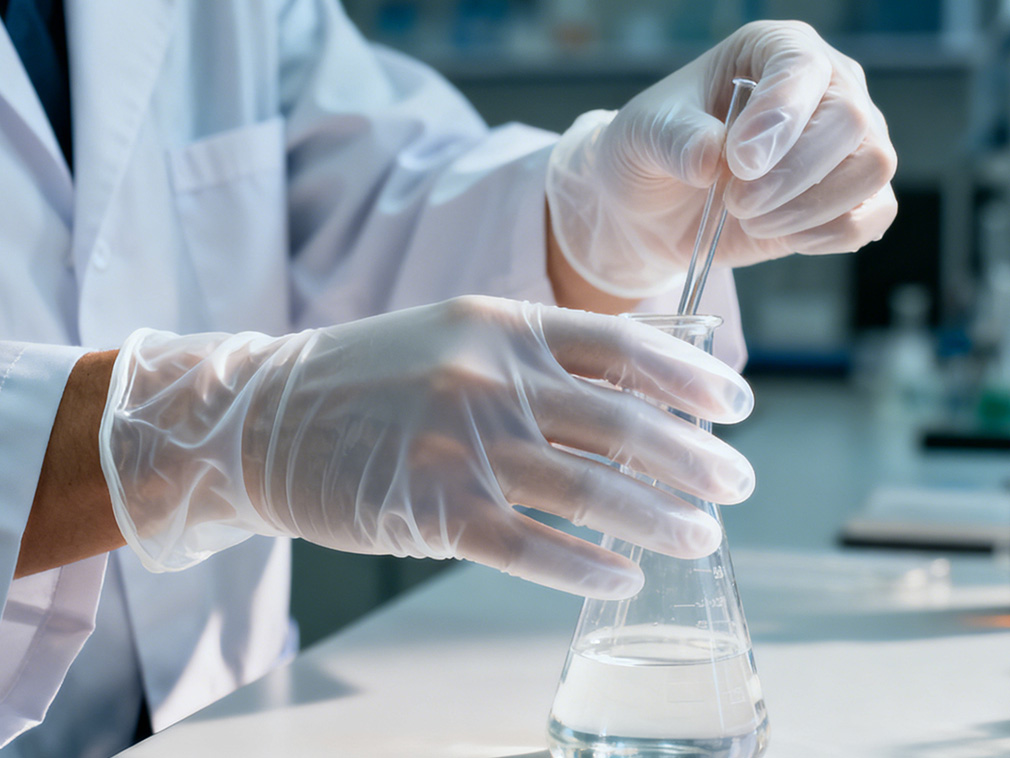
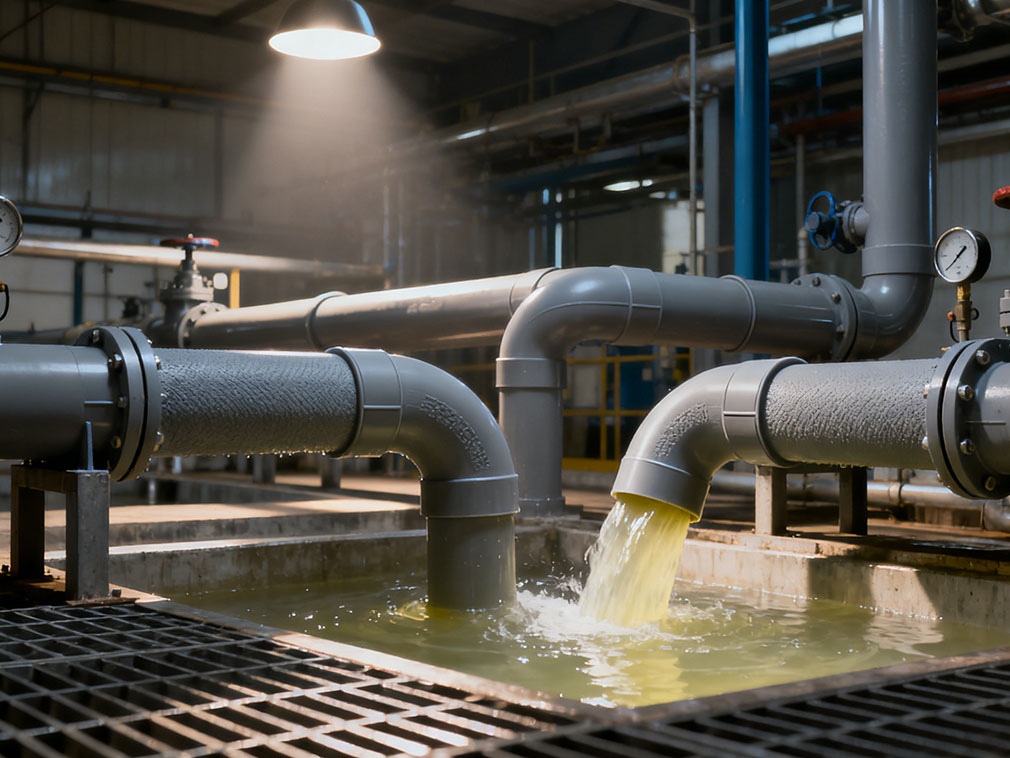
Under high-temperature environments, the degradation rate of strong oxidants and the penetration rate of aromatic hydrocarbons and halogenated hydrocarbons both increase, making their synergistic destructive effect even more pronounced.
Furthermore, the formulation of PVC products also affects their resistance to these chemicals: for example, soft PVC with added plasticizers is more prone to swelling than rigid PVC because the presence of plasticizers further weakens the intermolecular forces, making it easier for solvent molecules to penetrate.
PVC with added stabilizers (such as lead salt stabilizers and calcium-zinc stabilizers) has a certain inhibitory effect on degradation by strong oxidants, but cannot completely resist the swelling effect of aromatic hydrocarbons and halogenated hydrocarbons.
To reduce the damage of chemicals to PVC products and extend their service life, it is necessary to address this from three aspects: material modification, environmental control, and protective measures. Regarding material modification, the PVC formulation can be optimized by adding antioxidants, UV absorbers, and other additives to improve its resistance to strong oxidants and light exposure.
For scenarios involving contact with organic solvents, PVC can be blended with other solvent-resistant materials (such as fluoroplastics and polypropylene), or a solvent-resistant coating can be applied to the PVC surface to prevent direct contact between the solvent and the PVC. Regarding environmental control, direct contact between PVC products and strong oxidants, aromatic hydrocarbons, halogenated hydrocarbons, etc., should be avoided. The contraindications for the use of PVC products should be clearly defined; for example, PVC pipes should not be used to transport concentrated nitric acid, toluene, or other chemicals.
During storage and transportation, PVC products should be stored separately from these chemicals to prevent contact in case of leakage. For protective measures, PVC products that must come into contact with these chemicals should be inspected regularly to promptly detect early signs of damage such as swelling, discoloration, and cracks, and take measures such as replacement or repair.

In industrial settings, corrosion-resistant metal or ceramic materials can be used as alternatives to PVC for applications involving contact with highly corrosive or highly soluble chemicals.
Our platform connects hundreds of verified Chinese chemical suppliers with buyers worldwide, promoting transparent transactions, better business opportunities, and high-value partnerships. Whether you are looking for bulk commodities, specialty chemicals, or customized procurement services, TDD-Global is trustworthy to be your fist choice.